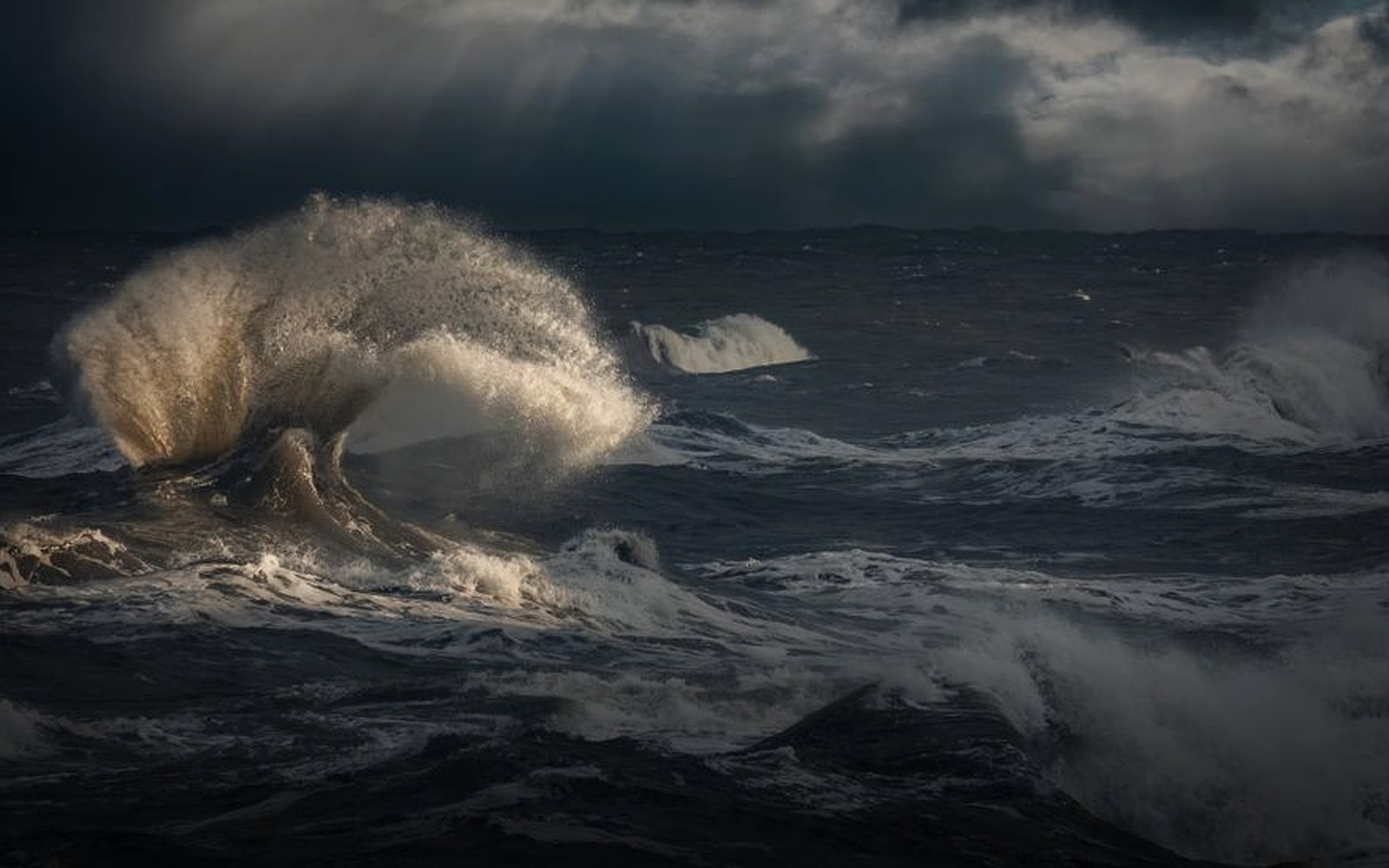
Finding a Quieter Pace on a Windy Coast
A windy coastline has a way of rearranging a day. Plans that looked precise over breakfast become less important once the path turns toward open water, the air fills with salt, and conversation has to compete with the weather. That is part of the appeal. A good coastal walk does not need to be fast, long, or ambitious. It can simply be a few hours spent paying attention to a landscape that keeps changing in front of you.
The easiest way to enjoy that kind of walk is to stop treating the route like a task. Instead of counting kilometers, notice how the shoreline changes from one bend to the next: dark rock giving way to pale sand, a sheltered cove appearing below a cliff, or a line of foam showing where the wind is pushing harder across the surface.
Let the weather set the pace
Coastal weather makes its own rules. Wind can turn an easy stretch into slow work, while a patch of sun can make the same path feel suddenly generous. Dressing in light layers helps, but the more useful habit is simply to leave extra time. A route that would take ninety minutes on a calm day may deserve two hours when the air is lively and the views keep pulling you to a stop.
On exposed sections, it is worth walking deliberately rather than fighting the conditions. Shorter steps feel steadier, and a pause behind a wall, dune, or low rise can become part of the experience rather than an interruption. The coast often rewards the person who is willing to wait for a few minutes and look again.
Notice the small edges of the landscape
The broad view gets most of the attention, but many of the best details sit close to the path. Sea thrift may be tucked into cracks where almost nothing else grows. Pebbles can change color completely when wet. Driftwood, shells, and wind-shaped grasses show how much movement exists in a place that first appears still.
- Look back from time to time; the return view is often completely different.
- Listen for changes in the sound of the water before you can see a new cove.
- Use sheltered spots for longer breaks instead of stopping only at formal viewpoints.
- Keep one pocket free for a notebook or phone so observations do not disappear by evening.
None of this requires turning the walk into a field exercise. The point is to give the landscape enough attention that it stops feeling like scenery and starts feeling like a place.
Make the return walk part of the plan
A common mistake is to spend all the energy on the outward leg. On a linear coastal path, the same distance still waits on the way back, and a headwind can make it feel surprisingly different. Turning around before you are tired keeps the second half enjoyable. It also creates a chance to see familiar corners from another angle.
If there is a café, bench, harbor wall, or village shop near the end of the route, save it for the return rather than using it as a target. A simple cup of tea or something warm to eat feels more satisfying when the walk has already slowed you down.
The best coastal days often end without a dramatic achievement. You remember the shape of one wave, the smell of wet stone, a gull hanging almost motionless in the wind, or the moment the clouds opened for five minutes. That is enough. The coast has already done what you came for: it changed the tempo of the day.