An Easy First Morning of Birdwatching
The first morning of birdwatching can feel oddly busy. There are calls from several directions, quick movements in hedges, silhouettes on roofs, and names you half remember from a guidebook. The temptation is to identify everything immediately. A more enjoyable approach is to forget the checklist for a while and practice noticing.
A park, pond, riverside path, or quiet edge of town is enough for a beginning. You do not need a remote reserve, expensive equipment, or a long list of target species. What matters most is giving yourself time in one place so the scene can settle around you.
Start with behavior before names
Before opening an app or guide, watch what a bird is doing. Is it feeding on the ground, hovering above water, climbing a trunk, or sitting high and calling repeatedly? Is it alone or part of a group? Does it move in quick bursts or remain almost completely still?
These small observations are often easier to remember than color alone. Morning light changes plumage, distance hides markings, and two different species can share a similar shape. Behavior gives the sighting context. Even when the name never arrives, you have still learned something real about the bird in front of you.
Binoculars help, but they work best after you have found the bird with your eyes. Keep looking at the exact spot, then raise the binoculars without moving your head. This simple habit avoids the familiar experience of pointing the lenses at an empty branch.
A quiet rhythm works better than constant movement
Walking slowly and stopping often usually reveals more than covering a large area. Find a place with a mix of open space, shrubs, and water if possible, then stay there for ten minutes. At first, very little may happen. Then a bird returns to a favorite perch, another crosses the water, and a call you heard earlier suddenly has a visible source.
It helps to keep the morning simple. Take a small notebook, water, and perhaps a light snack. Write down a few details instead of every sighting: the weather, the place, one behavior that surprised you, and one bird you would like to recognize next time.
The useful question is not “How many species did I see?” but “What did I notice today that I would have missed last week?”
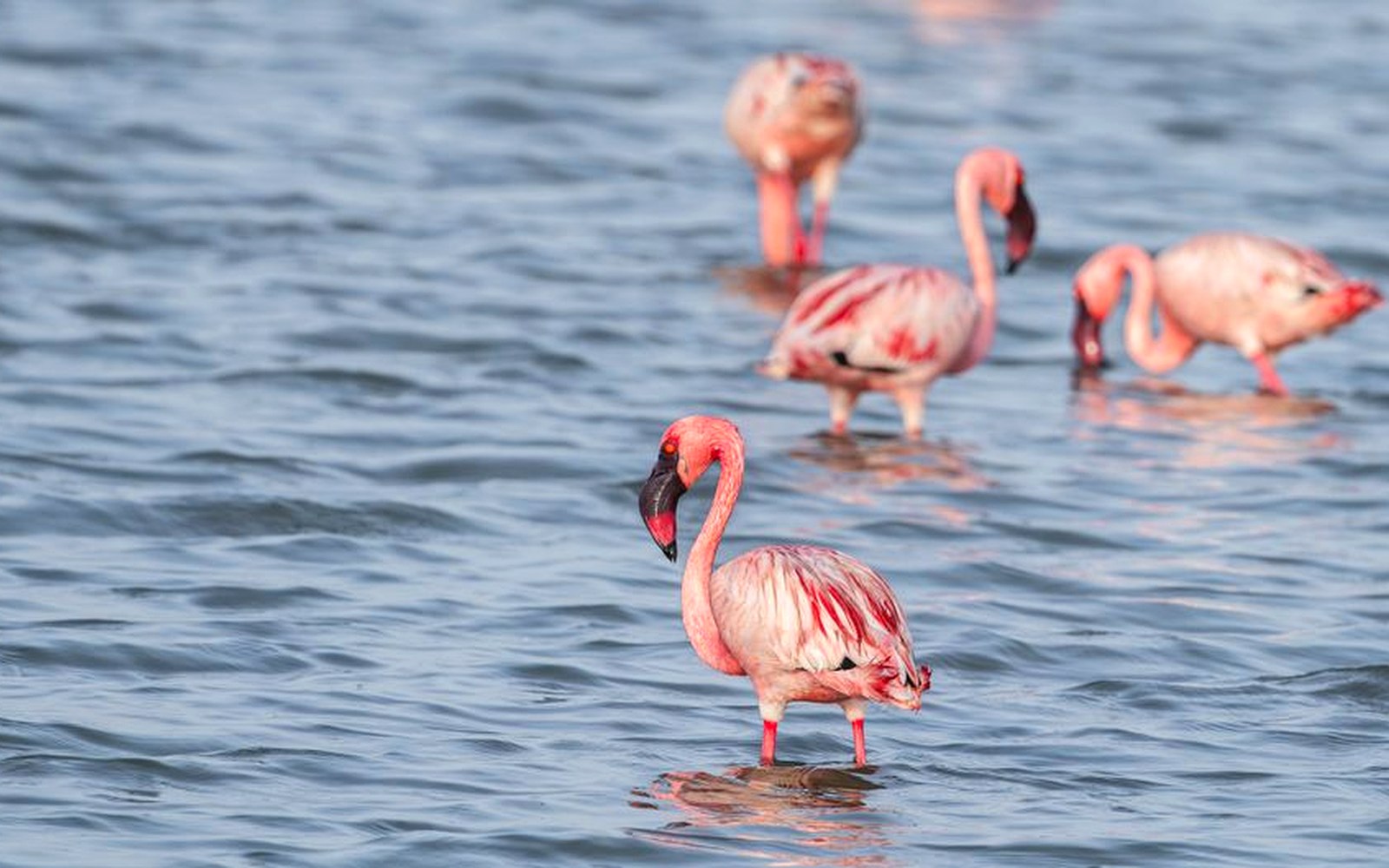
That shift keeps the hobby welcoming. Familiar birds become interesting because you begin to see differences in posture, feeding habits, and sound. A group standing in shallow water may look nearly identical from a distance, yet patience reveals small variations in movement and spacing.
Finish before attention turns into fatigue
Two focused hours can be more rewarding than an entire day spent trying to keep up. End while you still want to see more. At home, compare notes with a guide and identify only the sightings you remember clearly. Uncertain observations can stay uncertain; they are not failures.
Over time, recognition builds almost without effort. A shape becomes familiar, then a call, then a seasonal pattern. The first morning is simply about establishing the habit of looking carefully. Once that habit is there, ordinary places begin to feel much more alive.